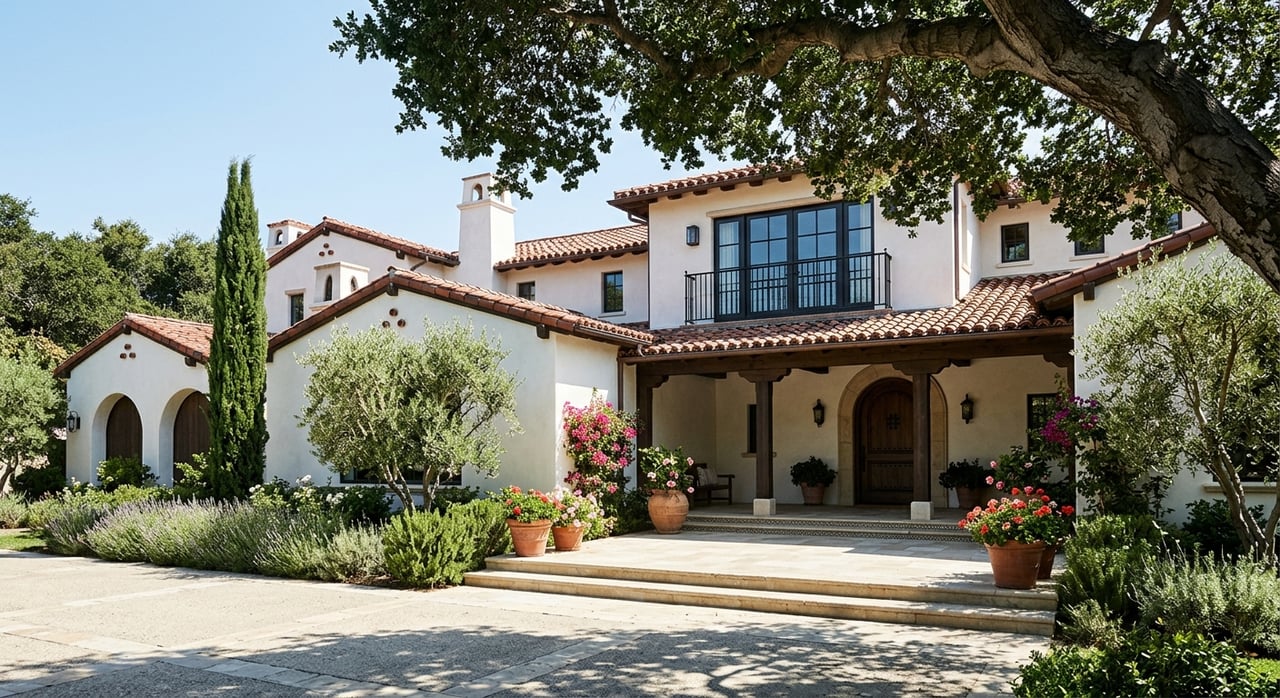
If you are preparing to sell a Montecito estate, confidence does not come from guessing the market. It comes from having a clear plan before your home ever goes live. In a high-value market where timing, presentation, pricing, and disclosures all matter, the right preparation can help you reduce friction and make stronger decisions from the start. Let’s dive in.
Why preparation matters in Montecito
Montecito remains one of the Central Coast’s most valuable housing markets, but it is also a selective one. Current market snapshots show different median sale prices depending on the data source, with Realtor.com reporting a median sale price near $6.5 million, while the same market context also points to longer selling timelines and negotiation room for buyers.
For you as a seller, the biggest takeaway is simple: broad market averages only tell part of the story. A turnkey estate with privacy and views may attract very different interest than a village-area property or a home that needs updates. That is why confidence starts with strategy, not assumptions.
Choose timing you can support
Many sellers focus on the calendar first, but timing only helps if your home is truly ready. According to Realtor.com’s 2026 Best Time to Sell report, the week of April 12 through 18 is the national sweet spot, and many sellers take one month or less to prepare their home for market.
For Montecito, early spring can be especially useful because sellers in western markets may benefit before competition builds later in the season. Still, the best listing window is usually the one you can enter fully prepared. Rushing photography, pricing, landscaping, or disclosures to hit a date can work against you.
Think beyond seasonality
In Montecito, timing also includes local safety and property-readiness concerns. The Montecito Fire Department notes that high fire season brings increased staffing, suspended burn permits, and state-law defensible space requirements of 100 feet.
That means exterior cleanup and wildfire readiness are not just maintenance tasks. They are part of preparing your estate for buyer review. A well-kept exterior signals care, while visible mitigation work can help support smoother due diligence later.
Make presentation a priority
In a market like Montecito, buyers often form their first impression online. Before they schedule a private showing, they are already reacting to your home’s photos, video, and overall visual story. That makes presentation one of the most important parts of your selling plan.
The National Association of Realtors’ staging research found that about 80% of buyers’ agents said staging helps buyers visualize living in a home. The same research also found that a meaningful share of agents believe staging can increase value compared with similar unstaged properties.
Focus on the rooms that matter most
NAR reports that the most commonly staged spaces are the living room, kitchen, primary bedroom, and dining room. For an estate property, these spaces often define the emotional pull of the home and shape how buyers understand scale, comfort, and flow.
Your goal is not to erase personality. It is to create clarity. Buyers should be able to understand how the home lives, where light enters, and how each room connects to the next.
Simple improvements can have a big effect
Before listing, it often helps to focus on the fundamentals NAR highlights:
- Declutter throughout the home
- Complete a whole-home cleaning
- Remove pets during showings
- Maximize natural light
- Use neutral colors where needed
- Simplify décor and open up circulation
- Pay close attention to kitchen and bedroom lighting
If your estate is vacant, even light furnishing can help. NAR notes that empty rooms can feel smaller and harder for buyers to interpret, which is why a polished physical presentation often does more than a blank interior.
Pair staging with strong media
The buyer experience starts long before an open house or private appointment. NAR reports that photos are the most important media element for buyers, with videos, virtual tours, and physical staging also playing an important role.
For a Montecito estate, this matters even more. Distinctive architecture, gardens, view corridors, guest spaces, and indoor-outdoor living features need to be captured with care. A home can be beautifully prepared in person, but if the marketing materials fall flat, you may lose attention before buyers ever step through the gate.
Price from comps, not headlines
Luxury sellers often see citywide market numbers and assume they can use those figures as a shortcut. In Montecito, that is risky. Current market reports vary, and broad medians do not account for differences in condition, location, privacy, lot size, or how move-in ready a property feels.
A smarter approach is to use recent comparable sales as the core pricing framework, then weigh the specifics of your home. In a segmented market, accuracy matters more than optimism.
Overpricing can cost momentum
Current market data suggests buyers in Montecito may still have room to negotiate. Realtor.com reports homes selling about 3.19% below asking on average, and the broader takeaway is that even luxury properties need strong positioning at launch.
That does not mean your estate should be discounted. It means your initial pricing should reflect current buyer behavior and the property’s real standing in the market. If a home enters too high, the first days and weeks can lose energy that is difficult to rebuild.
Treat the first two weeks seriously
According to Realtor.com’s 2026 timing report, price reductions tend to become more common later in the season as competition grows. That makes your first one to two weeks on market especially important.
During that period, buyers and their advisors are testing whether the home feels compelling at its price point. Strong showing activity, engagement, and feedback can validate your strategy. If those signals are weak, it may be time to reassess presentation, pricing, or both.
Prepare disclosures before you list
One of the most overlooked ways to sell with confidence is to organize your paperwork early. In California, the Real Estate Transfer Disclosure Statement is a disclosure of condition, not a warranty, and it must be provided to a buyer as soon as practicable before transfer of title.
For you, that means it is wise to begin gathering information before the listing is active. Permits, inspection reports, pest reports, repair invoices, and records of upgrades can all support a cleaner, more credible disclosure process.
Use inspections to strengthen clarity
California’s disclosure guidance also notes that reports from licensed inspectors or engineers may help support meaningful disclosures and may help limit liability. In practical terms, pre-listing diligence can help you identify issues early, make informed repair decisions, and avoid avoidable surprises during escrow.
That does not mean every seller needs to overhaul a property. It means you should know what you are selling and be ready to explain it clearly.
Wildfire documentation matters locally
Montecito sellers should also pay close attention to natural hazard and wildfire-related materials. California disclosures may include hazard topics such as flood zones, dam inundation areas, fire hazard severity zones, wildland fire areas, earthquake fault zones, and seismic hazard zones, as outlined in the state disclosure guide.
Locally, the Montecito Fire Department’s fire hazard resources can help you understand current mapping, Firewise context, home-hardening support, and defensible-space guidance. If your estate has completed wildfire mitigation work, keeping that documentation organized can help reduce buyer concerns and streamline conversations during due diligence.
Build your pre-listing checklist
If you want to sell with more clarity and less stress, it helps to break the process into steps. A practical Montecito estate checklist often includes:
- Review timing based on your readiness, not just the season
- Refresh landscaping and exterior presentation
- Address defensible space and wildfire-readiness items
- Declutter, deep clean, and prepare key living spaces
- Complete photography and video planning before launch
- Study recent comparable sales for pricing direction
- Gather permits, repair records, and upgrade history
- Prepare inspections and disclosures early when appropriate
This kind of preparation supports a more confident launch. It also helps you respond thoughtfully once buyer interest begins.
Confidence comes from local strategy
Selling an estate in Montecito is rarely about one single move. It is the result of many well-coordinated decisions made before the sign goes up. When timing, presentation, pricing, and disclosures all work together, you give your property a better chance to stand out in a market where buyers are discerning and details matter.
That is where local judgment can make a real difference. If you are preparing to sell in Montecito and want a plan shaped around your property, your timing, and your goals, connect with Adam Mckaig for thoughtful guidance and polished execution.
FAQs
What is the best time to list a Montecito estate for sale?
- Early spring can be a strong window, and Realtor.com’s 2026 report identifies April 12 through 18 as the national sweet spot, but the best time for your Montecito estate is usually when the home is fully prepared.
How should you price a Montecito estate before listing?
- You should price a Montecito estate using recent comparable sales, property condition, privacy, lot size, views, and overall presentation rather than relying only on citywide median numbers.
Does staging really help when selling a Montecito estate?
- Yes. NAR staging research shows that staging helps many buyers visualize living in a home, and it can improve how your estate is perceived online and in person.
What disclosures do Montecito estate sellers need to prepare?
- California sellers typically need to prepare condition-related disclosures, and the state disclosure guide also notes that natural hazard disclosures may apply depending on the property.
Why is wildfire readiness important when selling a Montecito property?
- Wildfire readiness matters because Montecito has active fire-hazard planning resources, defensible-space requirements, and buyer due diligence often includes questions about mitigation work, as reflected in Montecito Fire Department guidance.
